Bodhi Village in Queens, New York
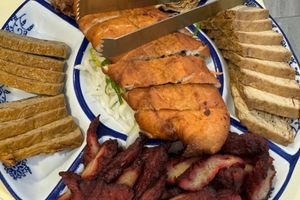
In the sea of cumin-sprinkled lamb skewers, juicy pork dumplings, and steaming fish ball soups that is Flushing, Queens, Bodhi Village provides safe haven for herbivores. It’s not the only restaurant in Flushing that completely eschews animal products—the Hindu temple of Ganesh with its South Indian canteen is right around the corner—but it’s the only one that specializes in Chinese Buddhist vegetarian cuisine.
Opened in 2004, Bodhi Village features both a counter-service cafe and an expansive sit-down restaurant. The large menu is primarily based on Cantonese cuisine, with fully vegan (and kosher-certified) versions of dim sum and other classic dishes. You may see monks and nuns from the multiple Buddhist monasteries in the neighborhood dining here, but they’re not the only regulars. Some practicing Buddhists abstain from meat during specific holidays or commemorative occasions, such as during the mourning period for a deceased relative. And other customers simply come to Bodhi Village because the food is delicious.
Be sure to sample some of the many traditional meat substitutes on the menu, which use mushroom, seitan (wheat gluten), tofu, and other ingredients to imitate the flavors and textures of animal products. Dishes like this were originally designed to provide familiarity for temporary or new vegetarians, or to replace meat in religious offerings. They’re not necessarily intended to taste exactly like the meat they resemble, but many come impressively close.
In keeping with Buddhist tradition, the food at Bodhi Village is also prepared without chilies or alliums (onion and garlic), because these ingredients are believed to increase mental stimulation and restlessness, interfering with the peace of mind necessary for meditation. Not that you’ll miss them: Buddhist chefs use other strong-tasting plants in place of prohibited ones. Toon, which has such a rich, savory flavor that it’s sometimes called the “beef and onion plant,” features prominently in the restaurant’s signature “Taro Bowl Delight,” a mountain of crispy fried taro piled with mushrooms and vegetables.