Stane Alane Standing Stone in Lochgilphead, Scotland
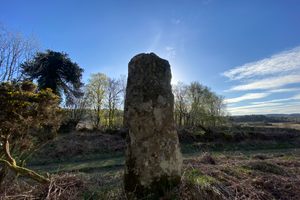
The Stane Alane standing stone, located near Lochgilphead in Argyll and Bute, Scotland, is a remarkable relic from the Neolithic period. This solitary menhir, standing at approximately 2.4 meters tall, is positioned on a small bank, slightly leaning, and offers a glimpse into ancient times. The stone’s exact purpose remains a mystery, but it is believed to have held ceremonial or territorial significance for the prehistoric communities who once inhabited the region.
Easily accessible from the A816 road, Stane Alane is part of a broader archaeological landscape rich with historical significance, including nearby sites like the Achnabreck Rock Art and the Ballymeanoch Prehistoric Monuments. These engravings are among the finest examples of prehistoric rock art in Scotland, adding to the allure of the area.
The stone is thought to originate from the Neolithic or Bronze Age periods but there is evidence that it was later used as a boundary marker in the post-medieval era. It is unknown whether the stone was moved from its original position. Stones like this are thought to have signified rituals, astronomical events or possibly to mark routeways and boundaries and the Stane Alane therefore holds great historical significance in the local area.